
If you’ve been dealing with stubborn sinus infections, constant earaches, hearing changes, or snoring that disrupts your sleep, an ENT specialist can help you find answers and relief. Also known as an otolaryngologist, an ENT diagnoses and treats conditions affecting the head and neck — including your ears, sinuses, throat, and voice box.
This guide breaks down what to expect during your appointment, how to prepare, and the signs that it’s time to see an ENT.
When to schedule an ENT visit
Symptoms that linger or keep coming back deserve a closer look. ENT specialists help patients of all ages manage conditions that affect breathing, hearing, swallowing, and sleep. If you’re experiencing any of the following, it may be time to schedule an evaluation:
- Chronic sinus issues: Facial pressure, congestion, and frequent infections may indicate chronic sinusitis.
- Recurring ear infections: Ongoing ear pain or fluid buildup can cause hearing loss, so the earlier you’re treated, the better.
- Hearing loss or ringing: If sounds seem muffled or you notice a persistent ringing (tinnitus), an ENT can diagnose and treat the issue.
- Hoarseness or sore throat: A voice that won’t return to normal could point to vocal cord strain, reflux, or infection.
- Snoring or sleep apnea: Loud snoring, pauses in breathing, or tiredness could be signs of obstructive sleep apnea.
- Allergy symptoms: Constant congestion, sneezing, or itchy eyes may require more than over-the-counter treatments.
- Difficulty swallowing or breathing: Discomfort when eating or shortness of breath should be assessed by a specialist.
How to prepare for your appointment
Getting the most out of your visit starts with a little preparation. Bringing the right information helps your ENT make a faster, more accurate diagnosis.
Bring your insurance card and a valid photo ID to ensure a smooth check-in and accurate billing process. Before your visit, take a moment to write down all your current symptoms. Note when they began, how often they occur, and what makes them better or worse.
Detailed descriptions, such as “pressure behind the eyes when leaning forward” or “hoarseness after speaking for long periods,” are helpful for diagnosis.
Make sure to have a complete list of your current medications, including any supplements or over-the-counter treatments, and share any past surgeries or relevant medical history. This background helps your ENT provider understand the full picture and avoid any complications during treatment.
If you’ve had prior tests or imaging, bring copies with you. These save time and prevent the need for duplicate testing.
Finally, jot down any questions or concerns you’d like to address during your appointment. Whether you’re curious about treatment options, want to avoid surgery, or need clarity on your diagnosis, showing up with a list ensures you leave with the answers you need.
What happens during your ENT visit
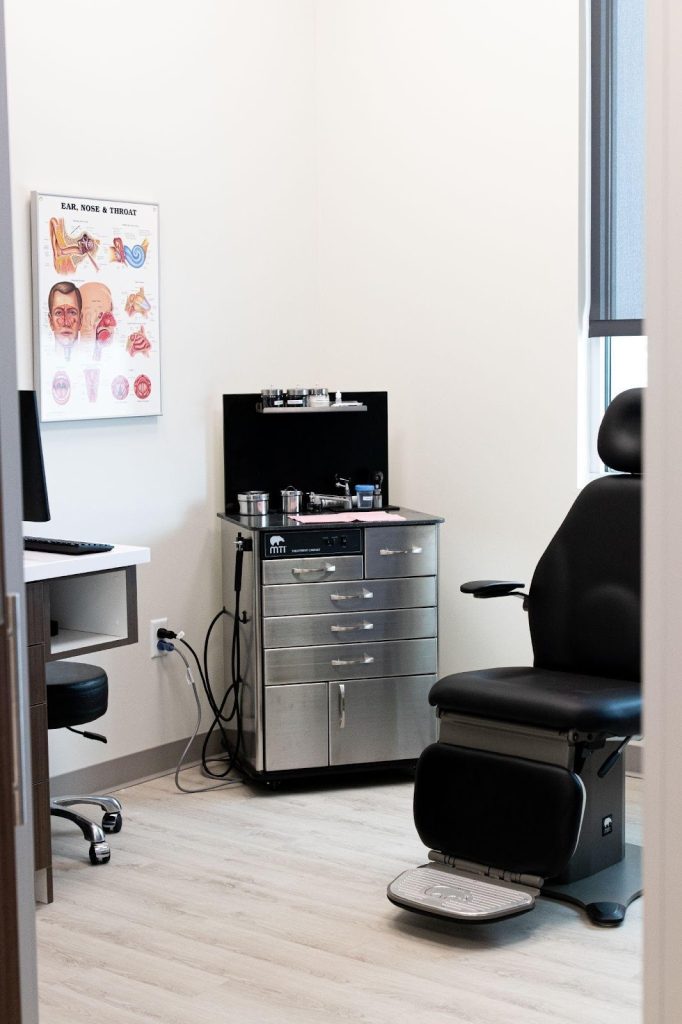
Your appointment is designed to be efficient, personalized, and focused on finding the right solution for your needs.
Initial check-in and health review
You’ll begin with a quick check-in at the front desk. Then, you may complete a short questionnaire to provide background on your symptoms and health history. This helps your provider get a full picture before the consultation begins.
Consultation and physical exam
During your visit, your ENT will ask detailed questions about your symptoms and how they affect your daily routine. They’ll examine your ears, nose, throat, and neck — often using gentle tools to look deeper inside your nasal passages or throat. The exam is quick and helps pinpoint what’s going on.
In-office testing and diagnostics
If needed, your provider may perform or schedule tests to confirm a diagnosis. Some of these include:
- Nasal endoscopy: The ENT uses a small scope to look inside your nasal passages.
- Laryngoscopy: This helps examine your vocal cords if you’re dealing with voice changes or throat pain.
- Audiology testing: Hearing tests check for hearing loss, pressure problems, or tinnitus.
- Allergy testing: Identifies allergens that may be triggering your symptoms.
- CT imaging: Some clinics offer in-office scans for sinus or ear issues.
These tools allow your ENT to recommend treatment during the same visit, leaving you with a clear next step.
FAQs about ENT visits
Do I need a referral to see an ENT?
Most patients do not need a referral to see an ENT specialist. However, some insurance plans require one from a primary care provider. It’s always best to check with your insurance company beforehand to avoid any delays.
Will insurance cover the visit?
Most major insurance providers cover ENT services. Coverage may vary based on your specific plan, deductible, and whether the clinic is in-network. Bring your insurance card to your visit, and the billing team can help you understand your benefits and any out-of-pocket costs.
How long does a typical ENT appointment last?
Most ENT visits last between 30 and 60 minutes. The length depends on your symptoms, any in-office tests, and the complexity of your condition. First-time visits may take slightly longer to allow for a full history and detailed exam.
What happens if I need surgery?
If surgery is recommended, your ENT will explain the procedure’s details, explain the risks and benefits, and answer any questions. Many treatments are performed in-office using minimally invasive techniques. For more advanced procedures, your care team will help you coordinate the next steps and recovery.
Do you treat children and adults?
Yes. ENT specialists care for patients of all ages — from infants with ear infections to adults managing sleep apnea or sinus disorders. Pediatric ENT care is tailored to children’s unique needs and focuses on making each visit as comfortable and stress-free as possible.
Take the next step toward better ENT health with Peak ENT

Whether you’re struggling with chronic sinus issues, hearing changes, sleep concerns, or voice problems, expert guidance makes all the difference.
At Peak ENT, we combine advanced diagnostic tools with compassionate care to help you breathe easier, hear more clearly, and live with greater comfort. Our board-certified specialists treat patients of all ages and focus on personalized solutions that fit your lifestyle and health goals. From your first visit to your follow-up care, you’ll feel heard, supported, and confident in your path forward.
Don’t wait for symptoms to disrupt your life. Schedule your appointment today, and take control of your ear, nose, and throat health with Peak ENT.