
Tinnitus
Tinnitus care at Peak ENT
If you’re hearing a persistent ringing, buzzing, humming, or hissing sound in your ears — especially when it’s quiet — you may be experiencing tinnitus. This common condition affects millions of people and can range from a mild nuisance to a constant disruption in daily life.
At Peak ENT, we offer expert evaluation and individualized care for tinnitus. Our goal is to help you understand what’s causing the sound and give you tools to manage or reduce its impact so you can focus, rest, and live with greater ease.

What is tinnitus?
Tinnitus is the perception of sound in the absence of an external source. It can affect one or both ears, and the tone may be constant or come and go. While it’s often linked to hearing loss, tinnitus can also occur without any measurable change in hearing.
Common descriptions of tinnitus include:
- Ringing
- Buzzing
- Hissing
- Roaring
- Clicking
- Pulsing (especially in sync with your heartbeat)
Tinnitus is not a disease—it’s a symptom of an underlying issue. That’s why a thorough evaluation is key to effective treatment.

Possible causes of tinnitus
Tinnitus can be caused by a variety of conditions and lifestyle factors. At Peak ENT, we work to identify the source so we can tailor treatment accordingly.
Common causes include:
- Noise-induced hearing loss
- Age-related hearing decline
- Earwax buildup
- Middle or inner ear infections
- Jaw disorders (TMJ)
- Neck or head trauma
- Medications known to affect hearing (ototoxic drugs)
- Circulatory or vascular issues (pulsatile tinnitus)
- Stress and anxiety

How we evaluate tinnitus
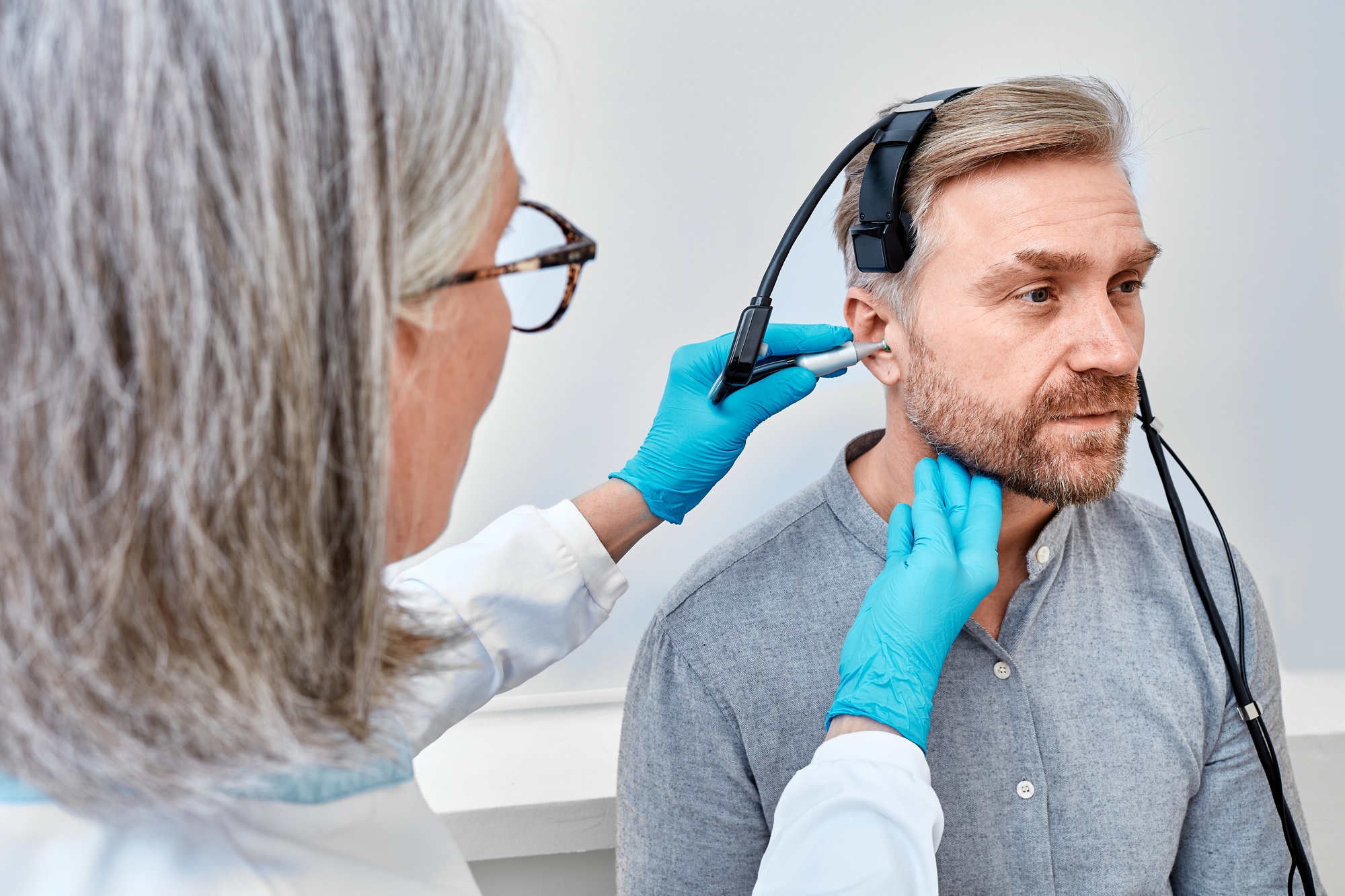
At Peak ENT, our tinnitus care begins with a detailed history and hearing evaluation. We may use:
- Comprehensive audiometric testing
- Tympanometry and middle ear analysis
- Imaging studies if a vascular or structural cause is suspected
- Tinnitus pitch and loudness matching
- Lifestyle and medication review
Understanding your specific tinnitus profile helps us determine the best path forward.
Treatment options for tinnitus
There’s no universal “cure” for tinnitus, but there are many proven strategies to reduce its intensity and impact. Your treatment plan will be based on the cause, severity, and how much it interferes with your daily life.
Your care may include:
- Sound therapy – Using low-level background noise, hearing aids, or white noise devices to mask the tinnitus
- Hearing aids – Amplifying external sounds to reduce the contrast and awareness of tinnitus
- Tinnitus retraining therapy (TRT) – A blend of sound therapy and counseling to change how your brain responds to tinnitus
- Cognitive behavioral therapy (CBT) – Helps manage the stress, anxiety, or emotional response associated with tinnitus
- Earwax removal, medical treatment, or TMJ management if those are contributing factors
- Lifestyle strategies to minimize flare-ups, including sleep, diet, and stress management

Why choose Peak ENT?
- Board-certified ENT specialists and licensed audiologists
- In-depth diagnostics to uncover the root cause
- Evidence-based treatments tailored to your needs
- Ongoing support and follow-up care
- Same-day and next-day appointments available
We listen closely, because we know what it means when sound won’t stop.

Relief is possible. Let’s find it together.
You don’t have to “just live with it.” At Peak ENT, we’re here to help you quiet the ringing and take back control of your daily life — with expert care, proven tools, and a team that truly understands.