
Sleep apnea quietly steals your rest and drains your health. The most common form, obstructive sleep apnea (OSA), occurs when throat tissues block your airway during sleep, causing repeated pauses in breathing. You may not remember them, but your body feels the toll.
Left untreated, this condition increases your risk of heart disease, high blood pressure, stroke, and diabetes. It also leads to chronic fatigue, brain fog, mood swings, and poor sleep that affects every part of your day.
ENT specialists offer targeted solutions by examining your airway and identifying what’s causing the obstruction. In-office evaluations, advanced testing, and personalized treatment options help you breathe freely, sleep deeply, and wake up feeling like yourself again.
Today’s blog discusses how ear, nose, and throat specialists treat sleep apnea. Keep reading to learn more.
Signs and symptoms
Sleep apnea symptoms often go unnoticed, especially since many appear during sleep. Recognizing these early warning signs empowers you to take action and protect your long-term health.
Loud, persistent snoring
While occasional snoring may not mean much, loud and frequent snoring signals a blocked or narrowed airway. This is often the first symptom partners notice and one of the most common signs of obstructive sleep apnea.
Gasping or choking during sleep
If you gasp, choke, or stop breathing during sleep, your body reacts to an obstructed airway. These episodes usually go unnoticed by the sleeper, but a partner may observe them. They disrupt your breathing and prevent you from reaching deeper stages of rest.
Daytime fatigue and difficulty concentrating
Waking up tired, even after a full night in bed, can indicate apnea. Interrupted sleep affects your energy levels, mental clarity, and ability to focus throughout the day, making even simple tasks more difficult.
Morning headaches
Frequent headaches when you wake up could result from low oxygen levels at night. These headaches tend to ease as the day progresses but serve as a red flag that your body is under stress while you sleep.
Dry mouth or sore throat
If you often wake with a dry mouth or scratchy throat, you may be mouth breathing at night. This typically comes from a congested nose or blocked airway, forcing your body to find other ways to get oxygen.
Sleep disruption for your partner
Apnea affects more than the person experiencing it. Loud snoring, gasping, and restless tossing can wake your partner repeatedly, impacting their sleep and prompting concern for your well-being.

Why choose an ENT for sleep apnea treatment
Sleep apnea care varies depending on the provider. While general practitioners and sleep clinics offer valuable insight, ENT specialists bring unmatched expertise in airway anatomy. They focus on identifying the physical cause and designing a plan that targets your unique structure, not only your symptoms.
A precise approach to airway evaluation
ENT doctors examine the nose, throat, and palate to understand how they contribute to breathing issues. They assess structural problems such as deviated septa, enlarged tonsils, nasal polyps, or soft tissue collapse. Instead of relying solely on sleep studies or CPAP prescriptions, they examine the entire upper airway to pinpoint the true source of the obstruction.
Advanced in-office examinations
ENT specialists examine your airway in real time using nasal endoscopy or laryngoscopy. These quick, in-office procedures allow them to evaluate the inside of your nasal passages, throat, and vocal cords. Observing how your airway functions while awake gives them valuable insight that sleep studies may overlook.
A full range of treatment options
ENTs offer more than diagnosis — they provide comprehensive solutions. From nasal sprays and oral appliances to minimally invasive procedures and surgery, they tailor your treatment based on what your body needs. Options like Inspire therapy, turbinate reduction, or soft palate surgery are all available in-office, making care more efficient and recovery faster.
Choosing an ENT gives you access to personalized, anatomy-based solutions that go beyond symptom control. The goal is better sleep, health, and quality of life.
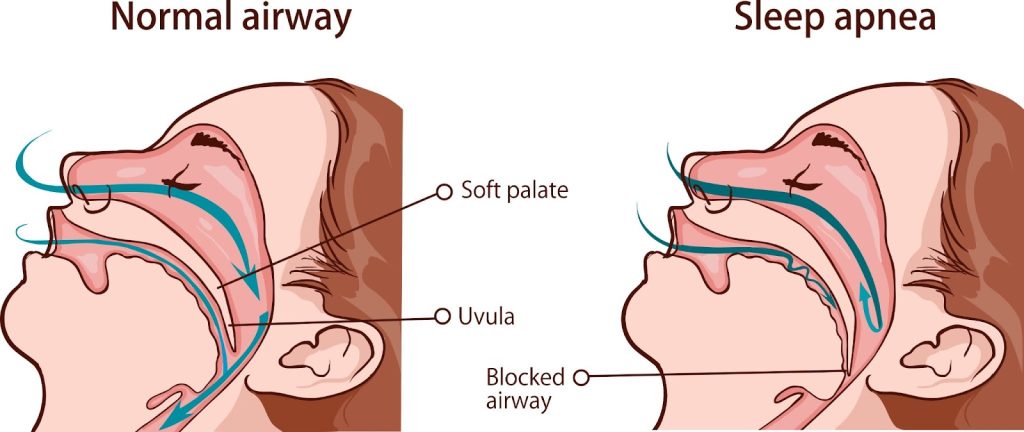
How ENTs diagnose sleep apnea
Accurate diagnosis is essential for successful sleep apnea treatments. ENT specialists use advanced tools to understand your condition from every angle.
Nasal endoscopy
This procedure uses a slim, flexible tube with a camera to examine your nasal passages and sinus openings. It helps identify polyps, inflammation, or structural issues that restrict airflow. It’s quick, minimally uncomfortable, and done right in the office.
Laryngoscopy
If symptoms involve your throat or vocal cords, your ENT may use a laryngoscope. This tool provides a clear view of your voice box and upper airway, revealing any tissue collapse or abnormalities contributing to your sleep disruption.
CT imaging
Your ENT may recommend a CT scan to capture detailed images of your nasal and throat anatomy when needed. These scans highlight hidden obstructions, such as enlarged turbinates or a narrow airway, and help guide treatment.
Sleep studies
Your ENT may coordinate a sleep study to confirm your diagnosis. Whether you complete a full polysomnography in a sleep lab or use a home sleep test, these studies monitor oxygen levels, breathing patterns, heart rate, and brain activity while you sleep. Sleep study data lead to a complete diagnosis when combined with physical exams and scope results.
ENT treatment options
ENT specialists offer non-surgical and surgical treatments to fit your needs and lifestyle. Their goal is to target the physical root of your breathing issue and restore uninterrupted, restful sleep.
Non-surgical options
Inspire therapy
Inspire provides an alternative to CPAP by using a small, implanted device to stimulate airway muscles during sleep. The device activates in sync with your breathing, keeping the airway open. Patients control it with a handheld remote. Inspire works well for people who can’t tolerate CPAP and meet specific eligibility criteria, including sleep study confirmation and a qualifying BMI.
Nasal sprays and allergy treatment
When inflammation or congestion blocks airflow, ENT specialists use prescription sprays, antihistamines, or allergy treatments to reduce swelling and restore clear nasal passages.
Oral appliances
ENTs may recommend custom oral devices in collaboration with dental sleep medicine providers. These devices reposition your jaw or tongue to prevent airway collapse and work well for mild to moderate cases.
Surgical options
Uvulopalatopharyngoplasty (UPPP)
This procedure removes soft tissue from the throat and soft palate to widen the airway. UPPP improves airflow and reduces snoring or breathing pauses caused by tissue obstruction.
Septoplasty and turbinate reduction
If a deviated septum or enlarged turbinates are restricting nasal airflow, these procedures open the nasal passage and improve breathing. They also enhance the effectiveness of other treatments like CPAP or Inspire.
Tonsillectomy or adenoidectomy
Enlarged tonsils or adenoids often block airflow in children and adults. Removing them reduces obstruction and dramatically improves sleep quality, especially in pediatric patients.
Tongue base procedures
If the base of the tongue collapses during sleep, your ENT may recommend reduction or repositioning surgery. These procedures keep the airway clear, and ENTs often pair them with Inspire therapy for optimal results.
Take the next step toward better sleep with Peak ENT
Sleep apnea impacts your energy, focus, and overall health every day. The right care changes everything. At Peak ENT, our board-certified specialists don’t offer generic solutions. We deliver targeted, expert treatment that addresses the root of your apnea using the latest technology and a deep understanding of airway anatomy.
From your first consultation to diagnostic testing and advanced treatment options like Inspire therapy, we provide compassionate, comprehensive care every step of the way. Whether you need non-surgical support or precise surgical intervention, we’ll help you breathe easier, sleep more deeply, and live healthier.
You don’t have to struggle through restless nights or exhausting days. Schedule a consultation with Peak ENT, and discover how better sleep begins with expert ENT care.