
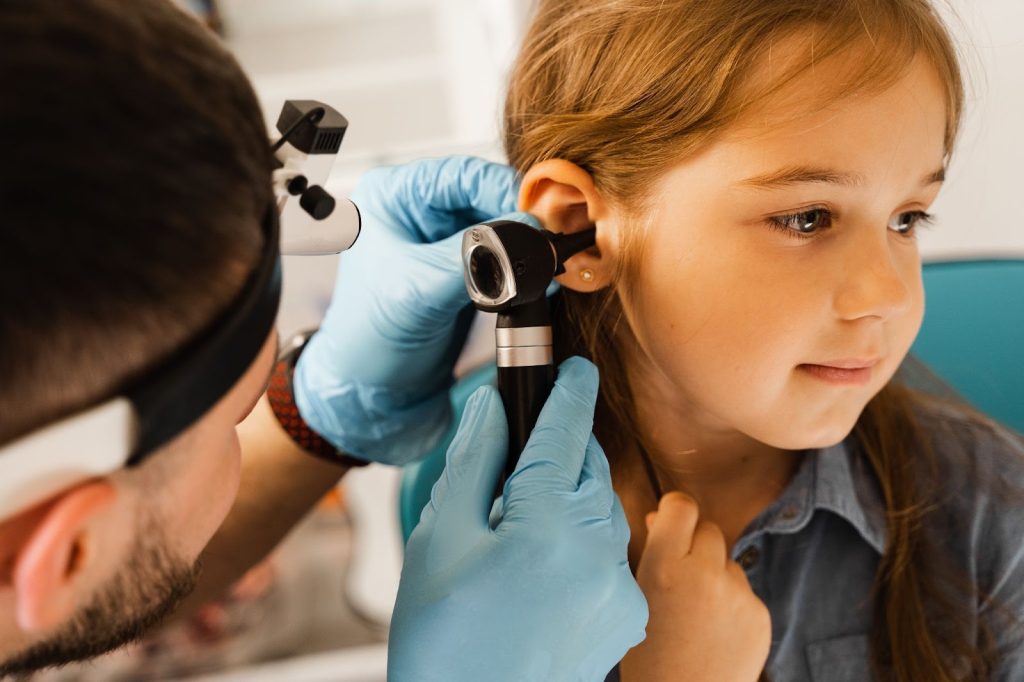
Preparing your child for an ENT visit starts with simple, calm explanations and a plan for comfort. Kids ENT specialists evaluate concerns like ear infections, hearing changes, congestion, and sore throats with gentle exams and kid-friendly tools. Bringing a symptom timeline and questions helps ear, nose, and throat doctors make clear recommendations.
Help your child feel confident before the ENT visit
A visit with a specialist may feel unfamiliar at first, especially when your child is not sure what will happen next. If your child has repeated ear infections, chronic congestion, or hearing concerns, an appointment with a kids ENT specialist can bring real clarity and relief. The key is helping your child know what to expect without adding stress.
In this guide, you’ll learn how to explain the visit in kid-friendly terms, what to bring, and what typically happens during the exam. You’ll also see how the care team builds a plan that fits your child’s needs and helps you feel confident about the next steps.
What kids’ ENT specialists do and when children may need a visit
Kids ENT specialists care for children with ongoing ear, nose, and throat concerns, especially when symptoms keep returning or affect sleep, hearing, or comfort. Common reasons include frequent ear infections, persistent fluid, chronic congestion, mouth breathing, snoring, recurring sore throats, or speech and hearing concerns.
Most visits include a gentle exam and, when needed, simple in-office testing. At an ear, nose, and throat clinic, teams also coordinate a hearing evaluation or additional assessment. Early care often helps reduce the risk of repeat infections and protect hearing and sleep.
How to prepare your child for an ENT appointment
A smooth visit starts before you walk through the door. The goal is to keep your child informed, calm, and comfortable.
1. Explain the visit in simple, calm language
Use straightforward phrases like, “The doctor will look in your ears and nose and check your throat.” Avoid scary words like “shots” or “scary tools.” Keep it short and reassuring.
2. Practice at home with play
Pretend to “open wide,” breathe through the nose, or sit still while you gently look in their ears with a toy flashlight. This helps the real exam feel familiar.
3. Schedule at the right time, if you can
Aim for a time when your child is usually rested and fed. A tired or hungry child often has a harder time with any appointment.
4. Bring comfort items
A favorite toy, blanket, or small stuffed animal makes a big difference. If your child is noise-sensitive, bring child-sized headphones as well.
5. Prepare a symptom timeline
Write down dates of ear infections, fevers, medications, missed school or daycare days, and patterns you notice, like symptoms that spike after colds or during allergy season.
6. List your questions and goals
Examples include: “Is fluid affecting hearing?” “Do enlarged tonsils affect sleep?” “What should we try next?” Clear goals help your visit stay focused.
7. Set expectations for what happens next
Let your child know the visit is usually quick and that they’ll get breaks. Tell them you’ll stay with them, and remind them to ask questions.

Common reasons kids visit an ear, nose, and throat clinic
- Ear infections and persistent fluid: Repeat infections or muffled hearing may signal fluid behind the eardrum that ear, nose, and throat doctors evaluate.
- Hearing and speech concerns: If your child misses sounds or asks “what?” often, an ear, nose, and throat clinic may recommend hearing testing to clarify next steps.
- Chronic congestion and mouth breathing: Ongoing stuffiness, mouth breathing, or snoring point to allergies, adenoids, or other issues that a kids ENT specialists team assess.
- Tonsils, sore throats, and sleep: Loud snoring, frequent tonsillitis, or restless sleep may involve the size of the tonsils and airway factors that ear, nose, and throat doctors evaluate.
Benefits of early evaluation
When families seek care early, they often reduce disruption to school, sleep, and everyday life.
- Clear answers sooner: Testing helps confirm whether symptoms are infectious, inflammatory, or structural.
- Faster relief when treatment is straightforward: Fluid, inflammation, and irritation often respond well to the right plan.
- Protection for hearing, sleep, and learning: Addressing root causes supports comfort and development.
- Fewer urgent visits and less trial-and-error: A targeted plan helps you avoid bouncing between temporary fixes.
- More confidence for parents: A clear plan from kids ENT specialists makes the next steps easier.
Common mistakes to avoid
A few small missteps make visits harder than they need to be.
- Waiting too long when hearing or sleep issues appear
- Bringing up the appointment right before leaving instead of giving your child a day or two to process
- Skipping the symptom timeline and forgetting key details like medication history
- Assuming every problem requires surgery rather than starting with evaluation and options
- Forgetting to ask about follow-up and what changes should prompt a call
Data and research insights
A few research-backed points help parents feel more grounded about what’s normal and what deserves attention.
- The NIDCD reports that five out of six children experience at least one ear infection by age three.
- The CDC notes that ear infections are common in young children and that respiratory illnesses often contribute to middle-ear issues.
- The AAO-HNS provides guidance on when ear tubes may be appropriate, especially when fluid persists or infections recur.
Tools and recommendations for parents
A few simple tools can make your appointment more productive:
- Symptom tracker: Note dates, fever patterns, medications used, and how your child responded.
- Question list: Write down your top concerns, especially around sleep, hearing, speech, or school performance.
- Comfort kit: Pack a favorite toy or blanket, along with headphones if your child gets overwhelmed.
- Snack pack: Pack a small snack and water for after the visit.
After the appointment, keep things simple:
- Follow the plan your care team recommends.
- Schedule follow-ups before you leave.
- Track changes in symptoms so you can report progress clearly at your next visit.
FAQ
What should I tell my child before visiting kids’ ENT specialists?
Keep it simple. Tell them the doctor will look in their ears, nose, and throat, and that you’ll stay with them the whole time.
What should I bring to an appointment with ear, nose, and throat doctors?
Bring a symptom timeline, a medication list, and any prior records, like hearing tests. A comfort item helps, too.
Will the visit hurt?
Most exams don’t hurt. If your child feels nervous, tell the care team so they can go slowly and explain each step.
Will my child need a hearing test at the ear, nose, and throat clinic?
Not always, but it’s common when infections, fluid, or speech concerns are involved. It’s kid-friendly, and the team will explain the results.
How can I reduce my child’s anxiety before the appointment?
Use calm language, practice at home, schedule the visit when your child has had a chance to rest, and bring a comfort item. A small reward afterward helps, too.
Schedule a kid-friendly visit with Peak ENT
A little preparation makes an ENT visit feel far more manageable for you and your child. If your child struggles with recurring ear infections, chronic congestion, snoring, or hearing concerns, kids’ ENT specialists help you get clear answers and a plan that fits your child’s needs.
Contact Peak ENT to schedule an appointment with ear, nose, and throat doctors, and take the next step toward better comfort and healthier routines.