
When your child has frequent ear infections or persistent fluid behind the eardrum, ear tubes improve ventilation and help fluid drain. ENT specialists confirm whether tubes fit your child’s situation through an exam and hearing-related testing. A kids’ ENT specialist explains benefits, risks, and what recovery typically looks like so you can make a confident decision.
When ear infections keep coming back, it’s time to get answers
Few things are harder than watching your child deal with repeated ear pain, restless nights, or muffled hearing. If you’ve heard the phrase “ear tubes,” you may wonder whether surgery is truly necessary. In many cases, tubes offer a simple, effective way to reduce repeat ear infections and improve hearing when fluid keeps returning.
In this guide, you’ll learn what causes middle-ear fluid, how ENT specialists decide when tubes help, what the procedure involves, and how to support healing afterward, with clear guidance from a kids’ ENT specialist.
What ear tubes are and why kids may need them
Ear tubes are tiny devices placed in the eardrum to help air move into the middle ear and allow fluid to drain. When the middle ear ventilates properly, pressure often improves, and many children experience fewer repeat infections.
Kids are more likely to develop middle-ear fluid because their Eustachian tubes are smaller and more easily blocked, especially during colds and allergy seasons. Some children mainly struggle with recurring infections. Others deal with persistent fluid that dulls hearing even when they do not seem “sick.” A careful evaluation helps clarify which pattern your child has and what treatment makes the most sense.
Improving middle-ear ventilation reduces the cycle of trapped fluid, pressure, and repeated infections.
Step-by-step: How doctors decide if tubes are the right fit
1. Review the timeline and pattern
Your child’s clinician will ask about the number of infections, the duration of symptoms, and whether infections recur quickly after antibiotics. They’ll also ask about sleep disruption, daycare exposure, allergy symptoms, and family history.
2. Examine the eardrum and middle ear
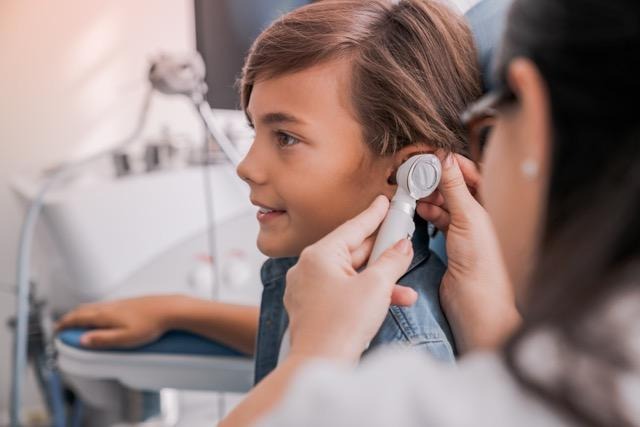
A focused ear exam looks for fluid behind the eardrum, changes in eardrum position, redness, thickening, and other signs that the middle ear is not clearing well.
3. Check hearing and development when appropriate
Because hearing affects speech and learning, clinicians may ask about speech clarity, responsiveness, and attention, then recommend age-appropriate hearing testing if fluid persists or concerns arise.
4. Confirm middle-ear function
When needed, tympanometry helps show whether fluid or pressure affects eardrum movement, even if the ear’s appearance seems subtle.
5. Decide between monitoring and intervention
Some children improve with time and monitoring. Others benefit when ENT specialists see a clear pattern of repeat infections, ongoing fluid, or hearing impact that disrupts daily life.
6. Prepare for the procedure and follow-up
Your care team will explain the day-of process, anesthesia basics, aftercare, and follow-up timing, so you know exactly what to expect.
Real-life examples for parents
Some families come in after multiple infections that disrupt sleep and lead to missed school or daycare days. Others notice their child seems to hear better some days than others, especially after colds, which happen when fluid lingers in the middle ear.
In other cases, more than one factor plays a role, such as recurring infections plus ongoing congestion or allergies. A kid’s ENT specialist often focuses first on confirming what’s happening behind the eardrum, then recommending the option that best supports hearing, comfort, and development.
Benefits of early treatment
When the timing is right, treatment significantly improves daily life for both children and their parents.
- Fewer infections and less discomfort: Many children experience fewer repeat infections once the middle ear ventilates more normally.
- Clearer hearing when fluid causes muffling: Persistent fluid dampens sound. Addressing it often improves hearing clarity, which supports speech and learning.
- Better sleep and daytime mood: Reduced pressure and pain lead to fewer wake-ups and improved daytime behavior.
- Less disruption to family routines: Fewer urgent visits and fewer missed days often bring real relief for caregivers.
Common mistakes to avoid
- Waiting too long when hearing or speech concerns appear: If your child seems to miss sounds, watches TV louder than usual, or shows signs of speech delays, schedule an evaluation sooner.
- Assuming every infection means surgery: Many infections resolve without intervention. The pattern and persistence matter most.
- Skipping hearing testing when fluid persists: Hearing results often guide the decision and help track improvement.
- Not clarifying post-procedure expectations: Ask about drainage and when to contact the healthcare provider.
- Delaying follow-up if symptoms return: If symptoms persist or drainage continues, schedule a follow-up appointment for guidance.
Data and research insights
- The NIDCD reports that five out of six children will have at least one ear infection by the time they are three years old.
- The American Academy of Otolaryngology–Head and Neck Surgery Foundation notes that tympanostomy tube placement is the most common outpatient surgery performed on children in the U.S., with about 667,000 procedures annually in children under 15.
- The same AAO-HNSF fact sheet states that by age three, nearly one in 15 children have tubes.
- AAO-HNS guidance summaries note that routine water precautions generally show no benefit or only a trivial benefit, with precautions reserved for specific situations.
What to expect during evaluation and follow-up
Clinicians typically use otoscopy to examine the ear canal and eardrum, and may also perform tympanometry or hearing tests if fluid persists or hearing concerns arise. Before deciding on treatment, your best tool is good information: track infection dates, symptoms, fever patterns, medications tried, and how your child sleeps and hears during recovery.
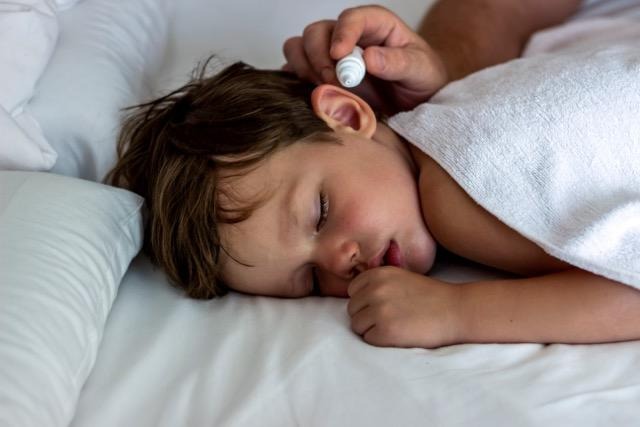
After the procedure, follow the plan provided by your team, including any prescribed drops and the recommended follow-up schedule. If you notice heavy drainage, worsening pain, or fever, call your clinic for next steps. With consistent follow-up, ENT specialists will confirm the ears are healing well and that the plan continues to match your child’s needs.
FAQs
Q: How do I know if my child needs ear tubes?
Consider an evaluation if ear infections keep returning, fluid lingers behind the eardrum, or hearing seems muffled for weeks at a time. A thorough examination and hearing-related testing determine whether the middle ear is functioning correctly and whether treatment would likely improve comfort or hearing.
Q: How long do tubes usually stay in place?
In many cases, tubes stay in for months and fall out on their own as the eardrum heals. Follow-up visits help your clinician confirm the tube remains open, the ear is healthy, and hearing stays on track as your child grows.
Q: Can my child swim or bathe after the procedure?
Many children return to normal water activities. Some individuals may require precautions in specific situations, such as when swimming in lakes or if they develop recurrent drainage issues. Your care team will provide guidance based on your child’s medical history and current activities.
Q: When should we follow up with a kids’ ENT specialist?
Most families schedule a follow-up visit after surgery to confirm healing and verify the position of the tube. Call sooner if your child develops a fever, increasing pain, heavy drainage, or if you notice ongoing hearing concerns after recovery.
Schedule your child’s visit with Peak ENT
If your child struggles with recurring ear infections or persistent fluid, you don’t have to guess about the next step. A clear evaluation can confirm what’s going on and whether ear tubes could help.
Peak ENT connects you with a kids’ ENT specialist and a plan built around your child’s symptoms, hearing, and development. Contact Peak ENT today to schedule a pediatric ear evaluation.